


Redber · Green coffee · Unroasted
KENYA PEABERRY Green Coffee Beans
In the cup, once roasted
Unroasted green coffee. It must be roasted before it can be ground or brewed.
KENYA PEABERRY - Green Coffee Beans — Wholesale - 1kg is backordered and will ship as soon as it is back in stock.
Pickup available at Redber Ltd, Merrow Depot
Usually ready in 24 hours
Price per kilo
| Bag | Price | Per kg | Saving |
|---|---|---|---|
| 1kg | £17.50 | £17.50 | – |
| 4kg | £66.00 | £16.50 | Save 6% |
| 6kg | £92.50 | £15.42 | Save 12% |
| 10kg | £140.00 | £14.00 | Save 20% |
Saving is per kilo against the smallest bag. Pick a bag size above to order.
- In stock, ready to dispatch
- No minimum order
- Lower price per kilo on larger bags
- Free UK mainland delivery over £25
About this coffee
Kenya Peaberry is an unroasted washed Kenyan for roasteries and cafés roasting in-house. It is a bright, citrus-led coffee with a grade name customers notice.
Delivery & VAT
Green coffee is held in stock at our Guildford roastery, so it is ready to dispatch, Monday to Friday. Coffee is zero-rated, so the price you see is the price you pay. Free UK mainland delivery on orders of £25 and over — see Delivery & Returns for lead times and surcharges.
Storing green coffee
Keep it somewhere cool, dry and dark, away from strong smells, and reseal the bag between roasts. Stored well, green coffee typically holds its quality for six to twelve months — far longer than roasted coffee.

KENYA PEABERRY - Green Coffee Beans — Wholesale - 1kg is backordered and will ship as soon as it is back in stock.
Origin & lot
- Origin
- Kenya
- Region
- Tatu
- Altitude
- 1,700–1,800 m
- Process
- Washed
- Quality grade
- Peaberry
Roasting guide
- Density
- Typically high — grown at 1,700–1,800 m
- Watch for
- Round beans take heat fast and can run away after first crack
Peaberries are small, dense and round, so they roll freely in the drum and roast evenly, but they pick up pace late in the roast. Charge with confidence, then ease the heat off before first crack. Light to medium keeps the citrus and floral notes. A little more development softens the acidity for espresso.
Best roasted for
- Filter
- Pour-over
- Guest espresso
A starting point, not a recipe. Roasters, batch sizes and airflow all differ, so test a small batch and adjust to taste.
The coffee
Origin and background
Kenya Peaberry is an unroasted washed Kenyan for roasteries and cafés roasting in-house. It is a bright, citrus-led coffee with a grade name customers notice.
Origin and producer
The coffee is grown at Tatu, at 1,700 to 1,800 m. A peaberry forms when a coffee cherry holds one rounded bean in place of the usual two flat-sided ones, and these beans are sorted out and sold as their own grade.
Process
Hand-picked and washed, which gives the clean, bright cup Kenyan coffee is known for.
In the cup
Once roasted, expect citrus fruit and light floral notes, a lemony aroma, a fine body and a medium to high acidity.
In your range
A single-origin filter coffee for customers who like brightness, and a lively guest espresso at a slightly fuller roast. 'Peaberry' is an easy talking point on a bag or menu board. Keep the roast light to medium — the acidity is the reason to buy it.
Supplied unroasted. This is green coffee and must be roasted before it can be ground or brewed.
Roasting it yourself
From green to cup — the short version
Whether you run a shop roaster or a sample drum, the same three things decide the result.
Start small, then scale
Roast a test batch before you commit a full bag. Every coffee takes heat differently — density, moisture and process all play a part — so treat the roasting guide above as your first setting and adjust it to your own machine.
Allow for weight loss
Coffee loses roughly 12–20% of its weight in the roaster, and more the darker you go. As a working figure, 1kg of green coffee gives about 800–880g roasted, so buy with your finished weight in mind.
Rest it, then judge it
Freshly roasted coffee needs time to settle. Filter roasts usually open up a few days after roasting and espresso roasts a little later, so taste the same batch more than once before you change the profile.
- Gorgeous deep flavours with a P60, but espresso turned out equally impressive.
- Great flavour and depth would buy again!
- Great for home roasting. My favourite by far!
Very happy with the quality of the beans for my first attempt at home roasting... and the results have been decent...
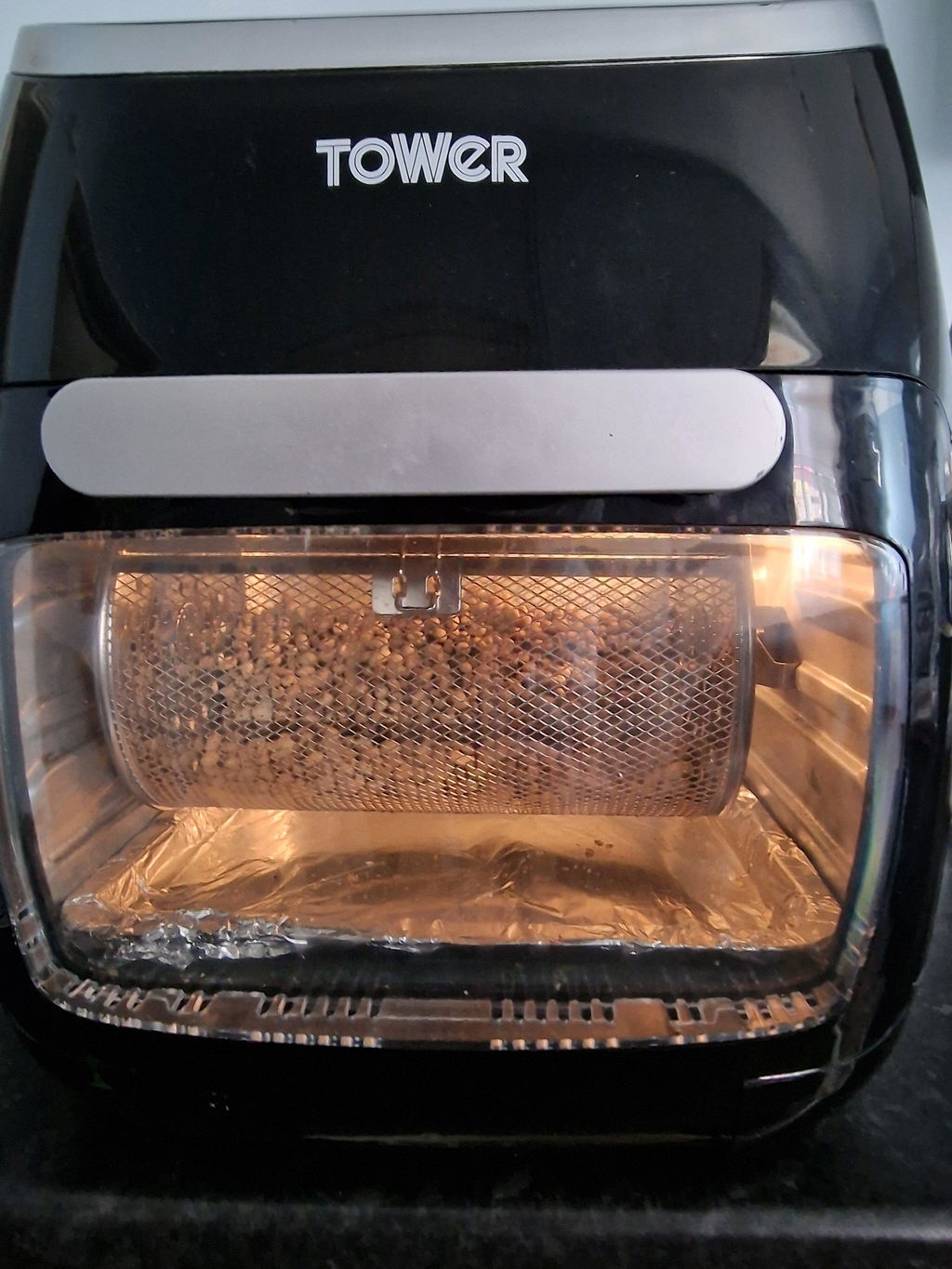
My first try with Peaberry and the result is amazing. Gorgeous deep flavours with a P60, but espresso turned out equally impressive.
Just roasted can't wait to taste
excellent and even more important is Redber seems to be able to keep inventory of Kenya Peaberry and Monsoon Malabar
Had to collect from depot. Slightly inconvenient. Most carriers will deliver to a neighbour.
As a coffee nut (bean), I love coffee and buy a lot of it and different varieties too. Redber have a consistently high performance and I can recomend them.
The Kenyan peaberry coffee is an excellent morning pick me up.
Nice coffee good service and price
Great for home roasting. My favourite by far!
This was my first attempt of roasting this region, roasted in Gene Cafe and brewed in Aeropress, great flavour and depth would buy again!
Quick delivery and excellent quality
Awesome coffee, awesome service. Thank you!
Weeell, it was okay but the first order offer of a coffee sample wasn't included. A couple of Emails and a phone conversation hasn't achieved anything, so with no customer service its gone to 2*
roasted some yesterdayand used in aeropress. Good depth of flavour but not the wide fruity/vegetablely interest of ,say, yirgacheffe
having just made my own coffee roaster, roasted the free sample to to try the roaster out, very easy, nice coffee was made. I enjoy kenya peaberry coffee, so will be roasting again in the next few days.
Are these coffee beans roasted?
No. This is green, unroasted coffee, and it has to be roasted before it can be ground or brewed. It suits small roasteries, cafés with their own roaster and home roasters. If you need coffee that is ready to use, see our roasted wholesale coffee.
Is green coffee in stock, and how soon is it dispatched?
Yes. We hold green coffee in stock at our Guildford roastery, so it is ready to dispatch, Monday to Friday. See Delivery & Returns for delivery times.
Is there a minimum order?
No minimum. You can order a single bag, and on coffees listed in several bag sizes the price per kilo comes down as the bag gets bigger.
How much roasted coffee will I get from 1kg of green?
Coffee loses roughly 12–20% of its weight during roasting, depending on how dark you take it. As a working figure, 1kg of green coffee gives about 800–880g of roasted coffee.
How long does green coffee keep?
Far longer than roasted coffee. Stored somewhere cool, dry and dark, away from strong smells, green coffee typically holds its quality for six to twelve months.
Is the roasting guide a fixed recipe?
No. It is a starting point. Roasters, batch sizes and airflow all differ, so run a small test batch first and adjust to taste.

